Mirchi Bomb
Cooking is both an art and a science, and selecting the right cookware plays a crucial role in preserving the nutritional value of food. While modern utensils may offer convenience, many of them release harmful toxins when heated, posing serious health risks. In contrast, traditional materials such as clay, iron, brass, and bronze have been used for centuries due to their health benefits and ability to retain the natural flavors and nutrients of food. Let’s explore the best and worst cookware choices to help you make informed decisions.
Best Cookware for Healthy Cooking
1. Clay Pots
Crafted from natural materials and fired using traditional methods, clay pots are one of the healthiest cookware choices. Their porous nature allows moisture and heat to circulate evenly, preserving essential nutrients in food. While they require longer cooking times, the health benefits outweigh the inconvenience.
2. Bronze (Kansa)
Historically used by royalty, bronze cookware retains approximately 97% of nutrients in food. Today, many upscale restaurants have reintroduced bronze utensils for serving. However, buyers should ensure that their bronze cookware does not contain unhealthy levels of nickel and tin.
3. Brass
Brass cookware is highly effective in preserving nutrients, maintaining up to 93% of the food’s nutritional content. It is particularly beneficial for cooking vegetables and meats. However, acidic foods should be avoided in brass cookware, and extra care is required while cleaning.
4. Glass
Regarded as one of the safest materials for cooking, glass cookware is non-reactive and does not leach harmful substances into food. It is commonly used in microwave cooking and ensures nutrient-rich meals.
5. Cast Iron
Cast iron cookware is durable and known for retaining heat effectively. When properly maintained, it prevents rusting and enhances the nutritional value of meals by naturally adding iron to the food. However, rusted cookware should be avoided, as it poses health risks.
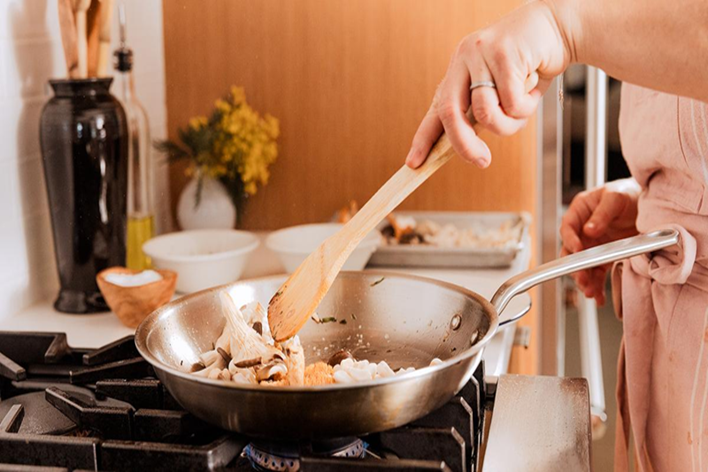
6. Stainless Steel
A widely used and versatile option, stainless steel cookware retains about 65-78% of nutrients. It is durable, cost-effective, and suitable for a variety of cooking styles. However, certain stainless steel variants are polished with nickel and chromium, which can have adverse health effects.
Cookware to Avoid for Health Reasons
While some cookware materials support good health, others pose significant risks due to the release of toxic chemicals and heavy metals when heated. Here are some cookware options you should eliminate from your kitchen:
1. Non-Stick Cookware
Although widely used for its convenience, non-stick cookware is coated with polytetrafluoroethylene (Teflon), which contains harmful substances like mercury and cadmium. Long-term exposure to these chemicals may lead to cancer, heart diseases, and neurological disorders.
2. Granite Cookware
Despite its name, granite cookware is not made of real granite but features a coating similar to non-stick pans. It contains polytetrafluoroethylene, making it just as harmful as Teflon-coated cookware.
3. Aluminium Cookware
Easily available and affordable, aluminium cookware is highly reactive and leaches toxins into food over time. It has been linked to serious health concerns, including liver damage, constipation, paralysis, and neurological disorders.
4. Ceramic Cookware
While pure ceramic cookware is a safe option, many commercial varieties are merely ceramic-coated aluminium, which defeats the purpose of using them. It is important to verify authenticity before purchase.
Maintenance Tips for Traditional Cookware
To ensure longevity and optimal health benefits, proper maintenance of cookware is essential:
- Cast Iron: Season regularly with oil to prevent rusting.
- Brass & Bronze: Clean with tamarind or lemon juice to maintain shine.
- Clay Pots: Soak in water before first use and avoid sudden temperature changes to prevent cracking.
Best Cooking Practices for Different Cookware
Different types of cookware are suited for specific dishes. Here’s what works best:
- Clay pots: Ideal for slow-cooked curries, stews, and rice dishes.
- Cast Iron: Best for stir-frying, grilling, and searing meat.
- Brass: Suitable for cooking vegetables, lentils, and boiling milk.
Eco-Friendliness of Traditional Cookware
Traditional cookware is not only healthier but also environmentally friendly. Unlike non-stick and aluminium cookware, which release toxic substances and contribute to landfill waste, clay, brass, and iron utensils are biodegradable and sustainable. Choosing these materials promotes better health while reducing environmental impact.
Conclusion
Choosing the right cookware is essential for maintaining a healthy lifestyle. Traditional materials such as clay, brass, bronze, and cast iron offer significant health benefits, while modern options like non-stick and aluminum cookware should be avoided due to their toxic effects. By making informed choices, you can ensure that your meals are not only delicious but also safe and nutritious.
Stay updated with the latest in wellness and healthcare—explore Health Mirchi Bomb @ mirchibomb.com!


